Pork has been part of European food traditions for centuries, but that does not mean everything we hear about it is true. From assumptions about fat and cooking to questions about safety, animal welfare and production, pork comes with plenty of common beliefs.
So, what is fact and what is fiction? We are taking a closer look at some of the most common pork myths and putting the facts on the table.
Myth #1: Pork is always fatty
The fact: it depends on the cut.
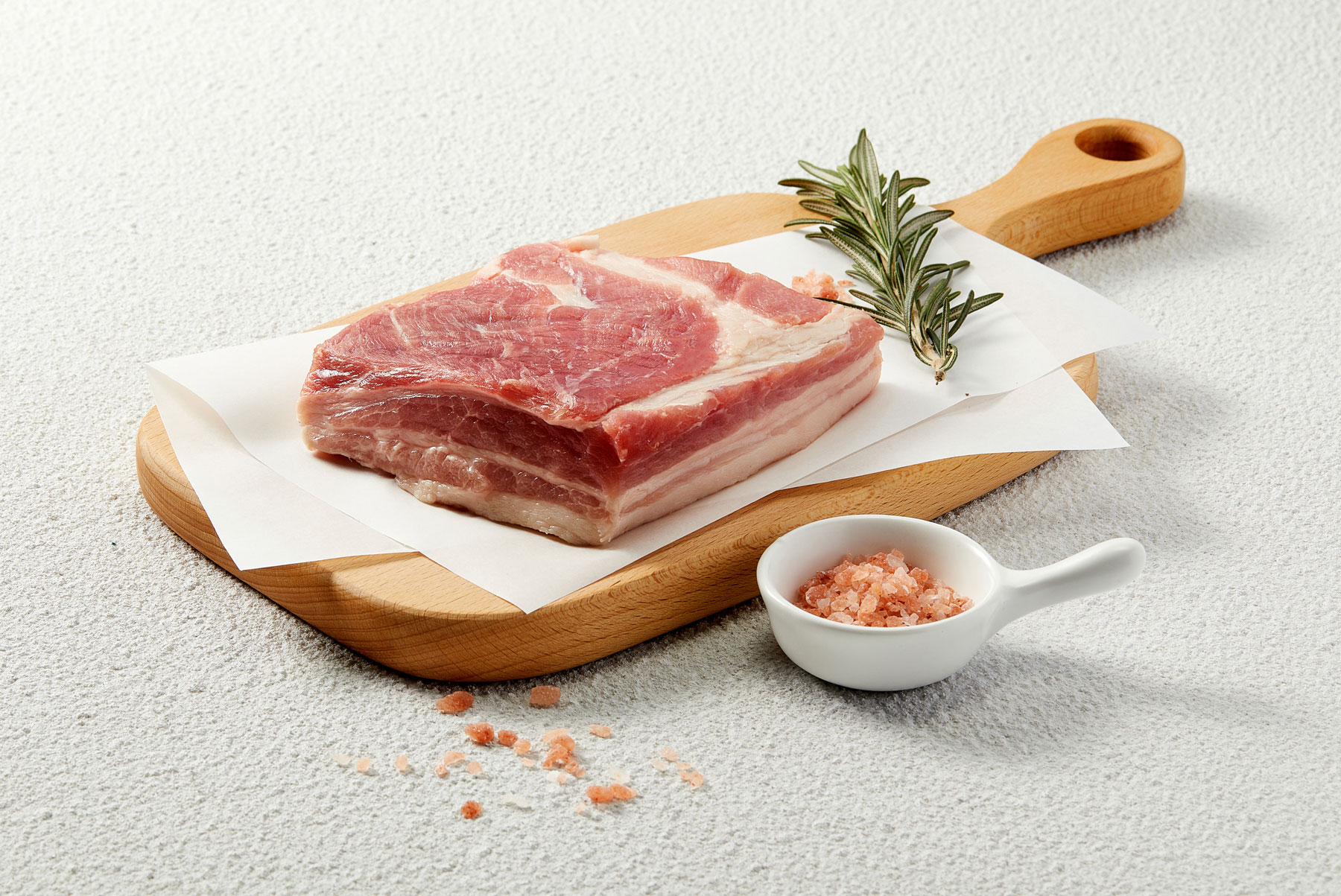
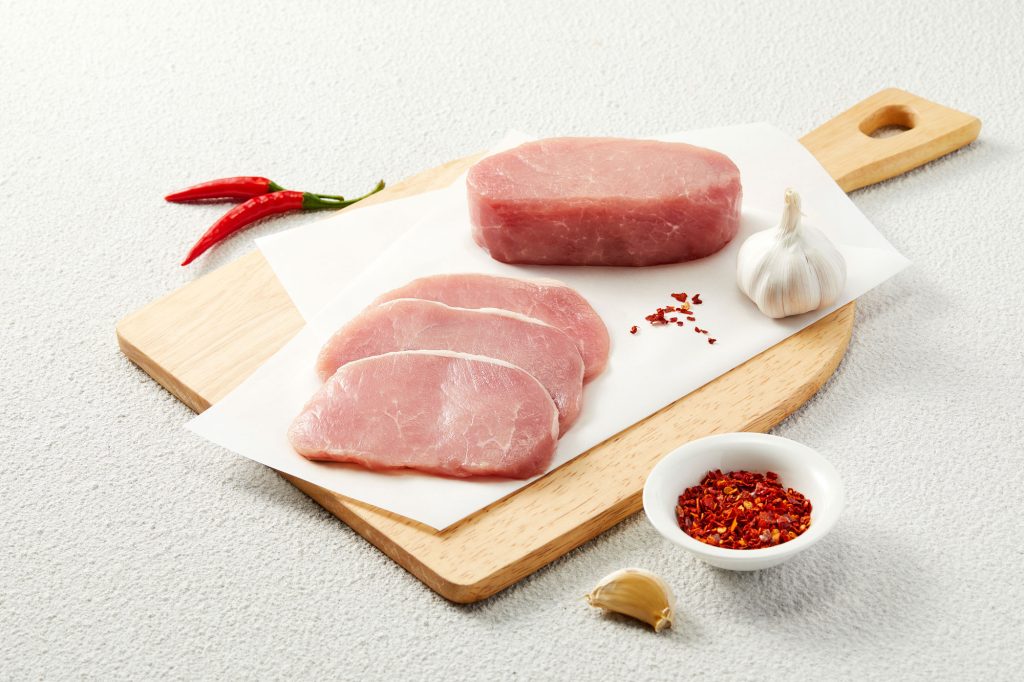
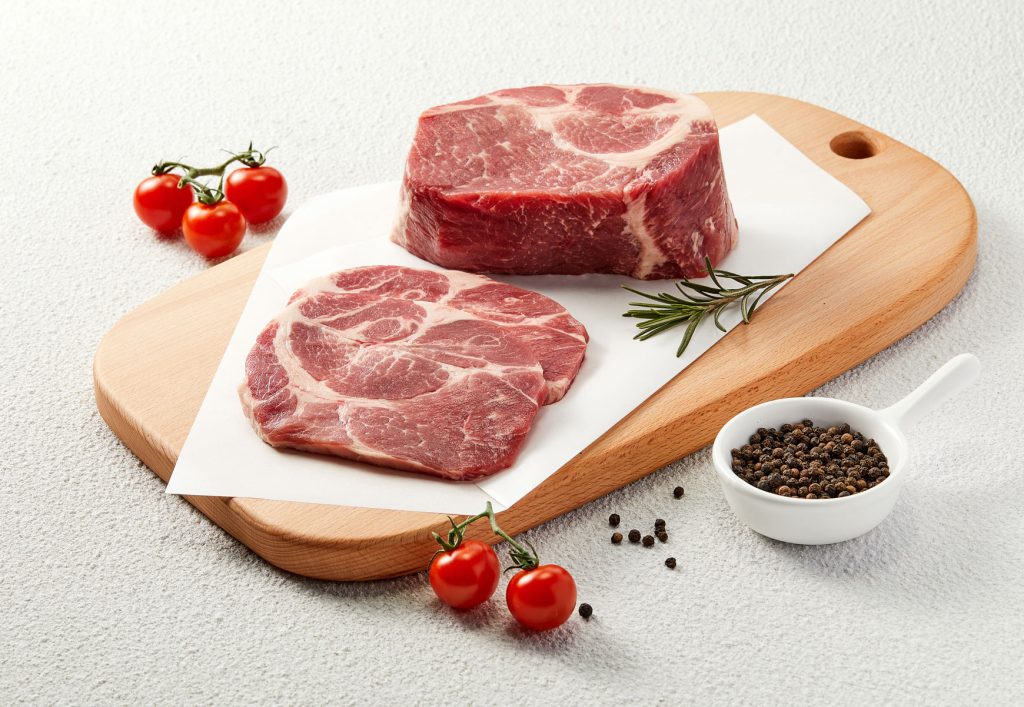
Pork is not a single type of meat. Different cuts have different characteristics, from leaner options such as tenderloin and loin to cuts such as belly, where a higher fat content is part of what makes it so well suited to grilling, roasting or slow cooking.
Knowing the cut is key. It affects a dish’s nutritional profile, texture, flavour and the best way to prepare it. There is much more variety in pork than the blanket idea of “fatty meat” suggests.
Myth #2: Pork is only good for grilling or BBQ
The fact: pork is one of the most versatile meats around.
Grilling is certainly one way to enjoy pork, but it is far from the only one. Depending on the cut, pork can be roasted, braised, pan-fried, stir-fried or slow-cooked, making it suitable for both quick meals and slower dishes.
This versatility also makes pork adaptable to different food cultures. In Korea, for example, pork is already a familiar ingredient in BBQ, but it also works in stir-fries, stews, skewers and other familiar preparations. European pork can therefore be enjoyed in both traditional European dishes and contemporary recipes inspired by cuisines around the world.
Myth #3: Pork is less safe than other meats
The fact: food safety is built into the European food chain.
Pork is subject to strict food-safety requirements and official controls across the European food chain. These cover animal health, hygiene and food handling, with controls in place from the farm through processing and distribution before the product reaches the plate.
Myth #4: You cannot really know where your pork comes from
The fact: traceability is a key part of the European system.
Knowing where food comes from matters, particularly when it comes to products of animal origin. European rules include traceability requirements designed to allow animals and animal products to be followed through the food chain. For pigs, identification and record-keeping requirements help establish where animals came from and where they have moved.
This is often summed up by the simple principle of “one step back – one step forward”: businesses need to know who supplied them and who they supplied, supporting transparency, food safety and accountability.
Myth #5: Animal welfare and pork production don’t go together
The fact: animal welfare is part of European pork production.
Pork production and animal welfare are not mutually exclusive. EU legislation sets minimum requirements for the protection of pigs, covering areas such as housing, space, access to fresh water, suitable enrichment materials and the competence of those responsible for their care.
For European pork, responsible production means considering the conditions in which animals are raised and handled, as well as the final product.
Myth #6: Tradition means old-fashioned production
The fact: European pork combines tradition with modern standards.
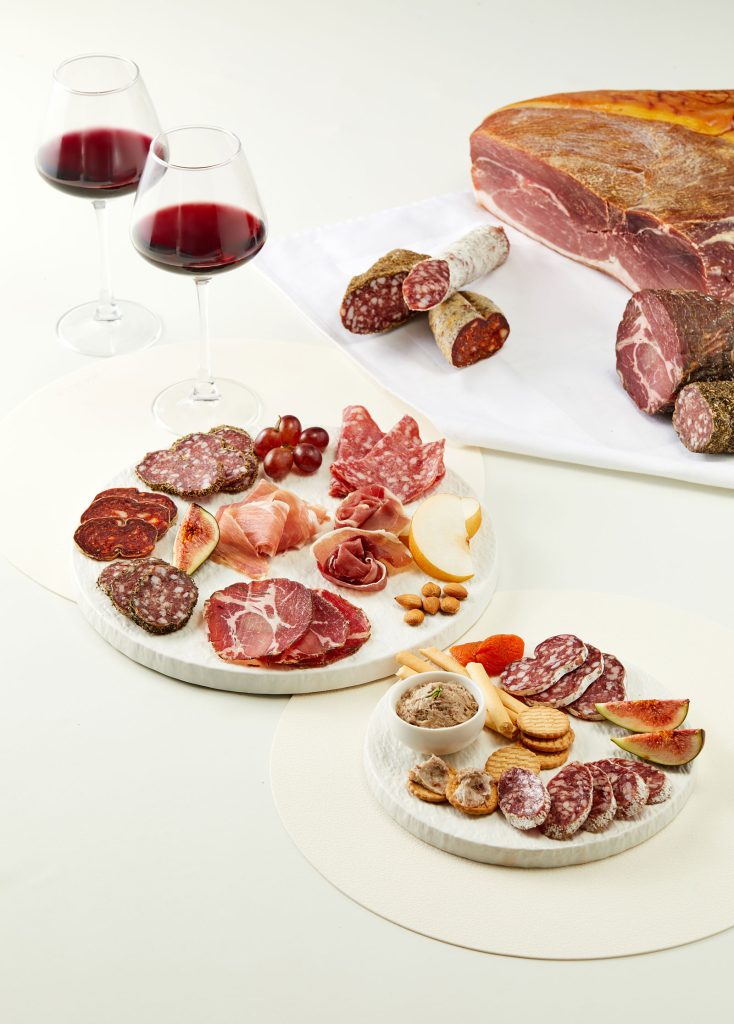
Europe’s pork traditions are long-standing, from fresh cuts and regional recipes to the many forms of charcuterie developed across the continent. But keeping those traditions alive does not mean keeping production stuck in the past.
Today, traditional know-how sits alongside modern systems for food safety, traceability, animal welfare and environmental responsibility, allowing experience and innovation to work together.
Beyond the myths
Pork is more varied than its stereotypes suggest. Different cuts offer different possibilities, while European production brings together food-safety controls, traceability, animal welfare and generations of culinary knowledge.
From a Korean BBQ grill to a European family table, there is no single way to enjoy pork – and no single story behind it. Sometimes, the best way to understand what is on the plate is simply to look beyond the myth.