Office Address

123/A, Miranda City Likaoli Prikano, Dope

Phone Number

+0989 7876 9865 9
+(090) 8765 86543 85

Email Address

info@example.com
example.mail@hum.com

blog image

Charcuterie preserving tecniques: creating flavour the European way

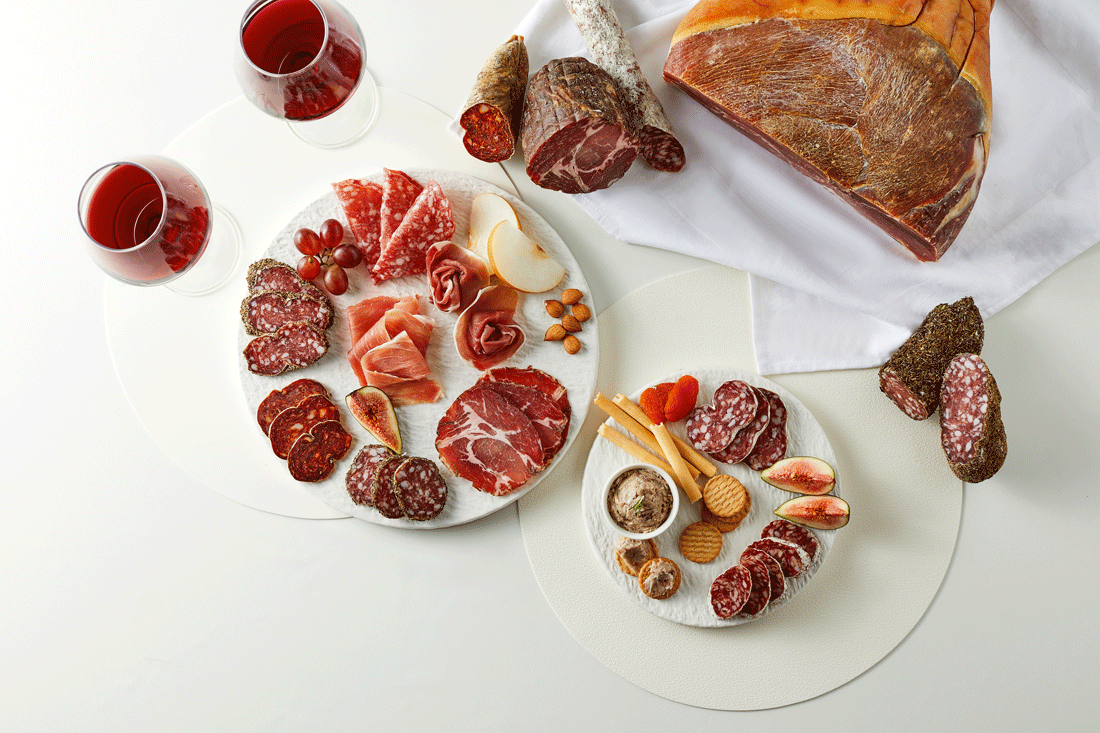
Charcuterie is a long-established preservation practice in Europe. Long before refrigeration, producers in France and Portugal developed ways to preserve pork while improving its flavour, aroma and texture. Over time, these methods became part of a tradition that turns simple ingredients into widely recognised foods across the European regions: cured hams, smoked sausages and slow-cooked preparations, and so much more.

The preserving traditions show how time, salt, temperature and humidity can transform pork into something entirely new, creating a wide variety of products with distinct textures, flavours and aromas.

Curing basics: time, salt and patience

Curing in a nutshell: by applying salt and allowing the meat to mature over time, the process preserves the meat and creates specific textures and aromas. Examples include Jambon de Bayonne and Jambon d’Auvergne, two French dry-cured hams recognised for their long maturation periods. In Portugal, hams such as Presunto de Chaves and Presunto de Barrancos follow curing processes that may vary depending on the producer and region. Another example is Coppa Corse, a cured pork neck that develops marbling and flavour as it ages.

Without a doubt, with time, developing technologies as well as the establishment of strict European standards, the curing process has evolved. But the original techniques remain, allowing consumers all over the world to enjoy these European classics.

Drying for character and texture

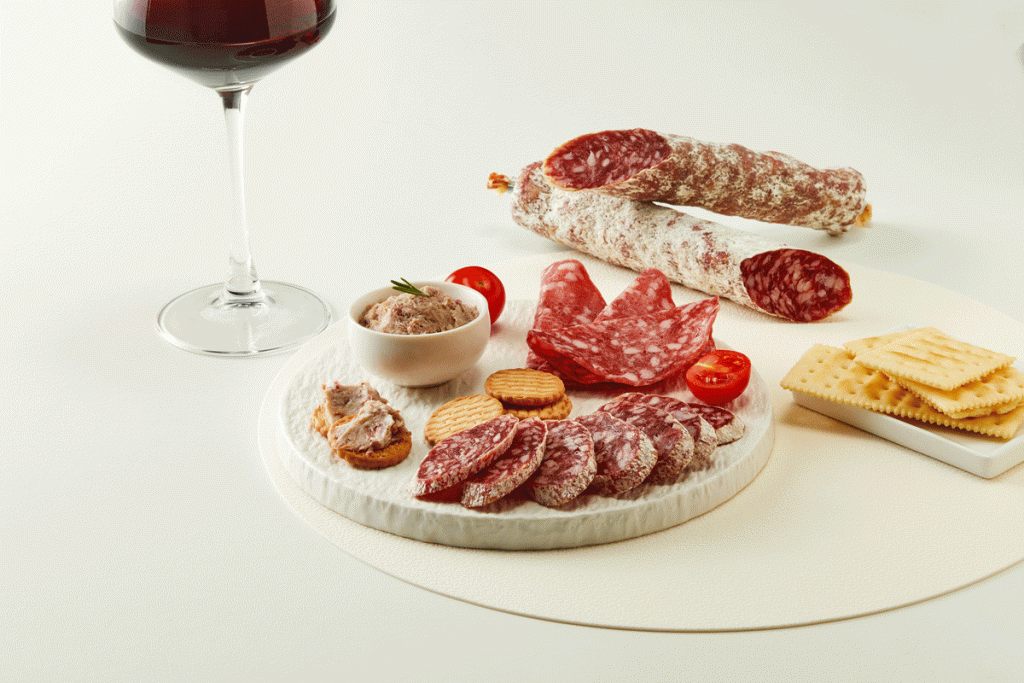
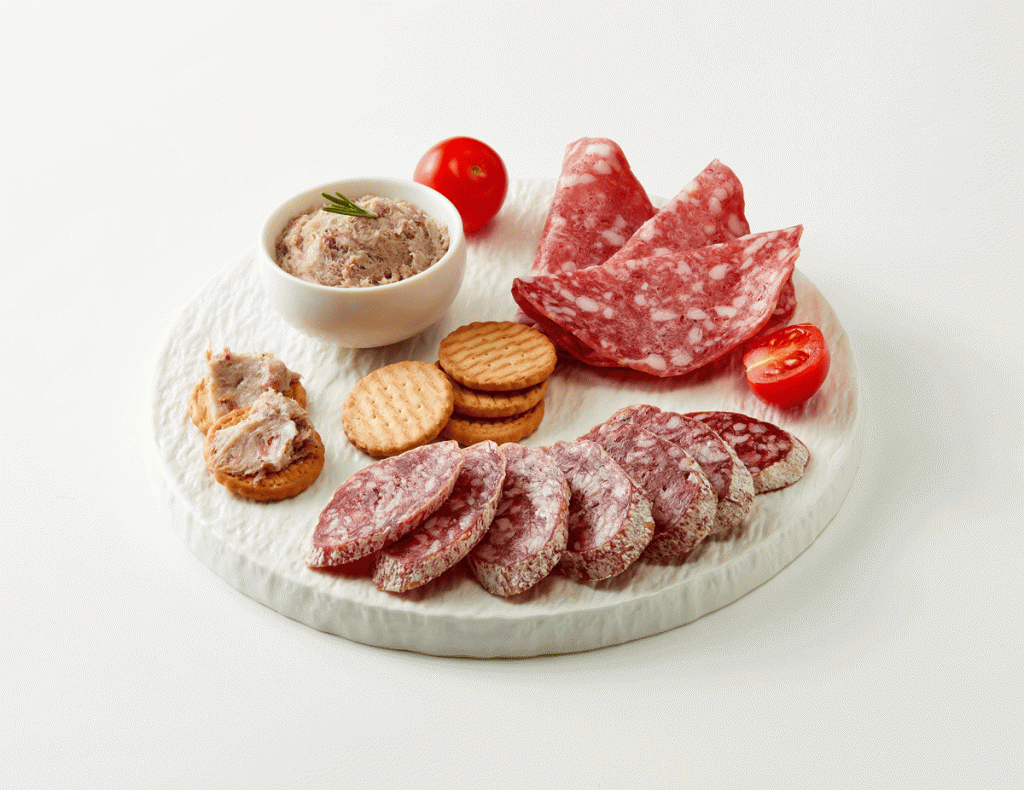
Drying is another common preservation method used in charcuterie. After seasoning and curing, sausages are left to mature in controlled conditions where moisture slowly evaporates. This gradual process concentrates the product and changes its texture. Products such as saucisson sec and saucisse sèche are the stars of French charcuterie and use this method of curing.


Similar techniques are also used in Portugal, where sausages such as chouriço mature slowly, which leads to gradual changes in aroma and texture. In many cases, producers adjust temperature and humidity according to local conditions.

Smoking-delicious

Smoking is another unique preservation method used in European charcuterie. By exposing sausages or cuts of pork to wood smoke, European producers add flavour while also helping to preserve the meat. Smoked sausages such as andouille from France as well as alheira and farinheira from Portugal are examples of this technique. The smoking process imparts smoke-derived aromas typical of these products.

Sounds delicious? It is.

Taking the cooking slow

Some European charcuterie products are created by slow cooking rather than curing or drying. In these preparations, pork is cooked at low temperatures over a long period of time.

Examples include rillettes, terrines and pâté en croûte: French preparations that rely on slow, low-temperature cooking to produce soft textures and blended flavours characteristic of these dishes.

Put it all together, and curing, drying, smoking and slow-cooking form the foundation of many charcuterie products across Europe, creating an impressive range of delicious foods enjoyed in many ways, from simple aperitifs and even main courses.

European pork. Pork (charcuterie) in Style!

European charcuterie production uses pork produced under EU regulatory frameworks. EU regulations set requirements for food safety and traceability throughout the production chain and include provisions related to animal welfare and environmental sustainability. These standards influence how European pork is produced, handled and processed across Member States.

The “European Pork. Pork in Style” campaign, co-funded by the European Union and organised by FILPORC and INAPORC, highlights this tradition and introduces European pork to new audiences.

Running from 2025 to 2027 in South Korea and Singapore, the campaign presents the taste, versatility and responsible production of European pork through culinary events, tastings and expert insights. Check out more articles about charcuterie to learn more about these amazing European pork products:

Funded by the European Union. Views and opinions expressed are however those of the author(s) only and do not necessarily reflect those of the European Union or the European Research Executive Agency (REA). Neither the European Union nor the granting authority can be held responsible for them.